
What Omega-3 Consumers Really Want:
Six Insights Shaping the Next Generation of Supplement Innovation

New consumer data shared at the 2026 Regenerate Symposium reveals why product experience, formulation, and accessibility deserve as much attention as the health benefits on the label.
For years, omega-3 innovation has focused on what these essential fatty acids can do for health. But what happens after consumers purchase a supplement? Do they enjoy taking it? Does the format meet their needs? Does the packaging deliver a positive experience? And what ultimately encourages them to buy again?
These questions were central to a presentation by Afif Ghannoum, CEO of CPG Radar, at the 2026 Regenerate Symposium hosted by Ahiflower® in Halifax, Nova Scotia.
Drawing on an analysis of 2,530 human omega-3 products, 36,287 consumer topic mentions, product labels, retail listings, and 12 months of sales data, Ghannoum presented ten findings with practical implications for brands, formulators, and ingredient innovators.
The overarching message: Developing successful omega-3 products requires looking beyond the ingredient to understand the complete consumer experience.
1. Consumers may already believe in omega-3. The product experience still matters.
One of the most notable findings was the positive consumer sentiment surrounding omega-3 effectiveness, quality, and taste.
Across the analyzed consumer mentions, effectiveness received 86.8% positive sentiment, quality received 84.5%, and taste received 82.3%.
Packaging, however, stood apart, with 47.5% of mentions classified as negative.
The findings suggest that while consumers may have confidence in omega-3 products, there is still room to improve their experience with individual products.
For supplement brands, this creates an opportunity to evaluate the entire customer journey, from selecting a product on the shelf to opening the package and taking the supplement consistently.
Packaging integrity, ease of use, taste, and convenience are not simply finishing touches. They are product-development considerations that can influence how consumers perceive what they buy.
2. The most severe complaint isn't necessarily the biggest business problem.
Packaging had the highest negative mention rate in the analysis, but price generated the greatest number of negative mentions overall. The distinction matters.
A high negative rate can indicate a particularly frustrating experience among consumers who mention a topic. A high volume of negative mentions can indicate a problem affecting a larger number of consumer conversations.
Brands need to understand both measures when deciding where to invest in improvements.
For example, packaging may require targeted quality or usability improvements, while price concerns may call for a broader review of perceived value, serving costs, or product positioning.
The lesson is straightforward: Prioritize product improvements based on both the intensity and the scale of consumer concerns.
3. The absence of a problem can be a meaningful product benefit.
Fishy burps and aftertaste are familiar concerns in the omega-3 category. Yet Ghannoum's analysis found that 71% of mentions raising fishy burps described the issue as absent. The net complaint rate was 4.5%.
This finding highlights an opportunity for brands to think differently about product communication.
When a product addresses a familiar consumer concern, that improvement may be worth communicating rather than leaving consumers to discover it themselves.
The same principle can apply to ease of swallowing, flavor, smell, and other elements of the supplement experience.
However, messaging should always reflect the actual characteristics of the finished product and be supported by appropriate substantiation.
For product developers, the implication begins even earlier: sensory experience and tolerability should be considered during formulation, not only after a product reaches the market.
4. Delivery format involves trade-offs between dose and experience.
Consumers can choose from softgels, capsules, liquids, gummies, and other omega-3 formats. Each offers a different combination of convenience, nutrient delivery, and sensory experience.
In Ghannoum's analysis, the median EPA+DHA amount per serving was 600 mg for softgels compared with 200 mg for gummies and chewables.
The findings illustrate a key consideration for formulators: a format that improves convenience or consumer experience may also involve a different nutrient dose.
Brands should therefore define the intended consumer and product requirements before selecting a delivery format. Relevant considerations include the desired nutrient profile, serving size, ease of use, sensory characteristics, and the product's intended role in the market.
The goal is not to declare one format universally superior. It is to design a product that balances nutritional objectives with the needs and expectations of its intended audience
5. Plant-based and algal oils offer opportunities, but formulation still matters.
The analysis also explored consumer feedback across fish-sourced, plant-based, and algal oils.
Plant and algal oils showed lower swallowing-related complaint rates than fish-sourced oils in the dataset. However, their sensory profiles differed. Plant oils had a higher negative mention rate for taste than fish-sourced oils, while algal oils had a higher negative mention rate for scent.
These findings reinforce an important point for ingredient and finished-product innovation: plant-based and algal sources should not be treated as interchangeable, and neither should be assumed to deliver the same consumer experience without thoughtful formulation.
For brands exploring plant-based omega solutions, the opportunity is to match the ingredient, delivery format, and sensory system to the needs of the finished product.
Ingredient selection is only one part of the equation. Flavor, scent, stability, serving format, and consumer expectations all deserve consideration during product development.
There may also be opportunities to broaden access through formulation choices. For example, Ghannoum noted that 85.2% of the softgels in the analyzed product set contained gelatin, potentially limiting options for some plant-based, ethical, and allergy-conscious consumers.
Non-gelatin alternatives may help brands serve these audiences, provided the finished product meets its intended performance and quality requirements.
6. More ingredients don't automatically mean a better-selling product.
The presentation also explored the relationship between formula complexity and monthly sales performance.
In the dataset, 34.2% of products with one to three ingredients reached the analysis's threshold of 1,000 units sold per month, compared with 14.6% of products containing seven to twelve ingredients.
This is an observed association, not proof that adding ingredients causes sales to decline. Factors such as price, positioning, distribution, and competition may also influence performance.
Nevertheless, the finding raises a useful question for product-development teams: does every ingredient in a formulation have a clear purpose?
Complexity can be valuable when it serves a defined consumer need. But adding ingredients without a compelling rationale may make a product harder to communicate, differentiate, or position.
Successful formulation starts with the intended benefit and consumer need, then identifies the ingredients required to deliver the product's purpose.
Turning consumer insights into omega-3 innovation
Taken together, Ghannoum's findings offer a practical framework for the next generation of omega-3 products.
They encourage brands and ingredient suppliers to ask questions beyond nutrient content and health positioning:
Consumer experience: Is the product pleasant and convenient to take?
Formulation: Does the ingredient combination serve a clear purpose?
Delivery format: Does the format balance nutrient delivery with ease of use?
Accessibility: Are there opportunities to serve consumers with different preferences or needs?
Communication: Does the packaging clearly communicate meaningful, substantiated product benefits?
Commercial performance: Are product-development decisions informed by consumer feedback and sales data?
These questions are particularly relevant to our team as the industry explores opportunities to diversify omega-3 sources and expand how omega nutrition can be delivered across supplements, food, and beverages.
Ahiflower® oil is a plant-based omega source with a distinctive fatty acid profile. As brands evaluate new ingredients and applications, understanding consumer needs alongside ingredient science can help inform product concepts, formulation decisions, and positioning.
No single ingredient or delivery format will meet every consumer need. The opportunity lies in creating products that bring together a meaningful nutritional proposition, a thoughtful consumer experience, and a clear reason to choose them
The takeaway: Innovation must connect science with the consumer.
The omega-3 category has an established nutritional story, but continued innovation requires attention to what happens beyond the label.
Ghannoum's presentation demonstrates the value of combining consumer feedback, product data, and sales analysis to identify opportunities that might otherwise be overlooked.
For brands, formulators, and ingredient innovators, the next step is to translate these insights into better product decisions, from selecting ingredients and delivery formats to refining packaging and communicating product benefits.
Because understanding what an omega-3 product can deliver is important. Understanding what consumers want from the experience may be just as valuable.
This article summarizes findings presented by Afif Ghannoum, CEO of CPG Radar, at the 2026 Regenerate Symposium. To view the presentation, visit The Ahiflower YouTube Channel here.
When Fish Oil Supply Is Disrupted, Is Your Omega-3 Formula Ready?

Peru’s canceled anchovy season is a wake-up call for supplement brands. Explore a plant-based omega-3 option designed to deliver resilience and diversification to your formulation strategy.
Peru has confirmed it will not authorize a second anchovy fishing season in its North-Central region for 2026. The decision follows concerns about warming ocean conditions, a changing anchovy distribution, and a high proportion of juvenile fish. The closure is intended to protect the future of the fishery, but it adds pressure to an already vulnerable marine supply chain.
For supplement brands that depend heavily on fish oil, the question is bigger than ingredient availability.
What happens to your business if your omega-3 supply becomes increasingly challenged?
Supply challenges put product availability, margins, and customer loyalty at risk. And when consumers can’t find their preferred supplement, they may turn to another brand.
The cost of updating a Supplement Facts panel and qualifying a new ingredient to protect your business may be far less than the long-term cost of losing customers.
Diversify and derisk your omega strategy with Ahiflower®
Ahiflower® oil can be partnered with EPA and DHA from marine sources to offer turnkey solutions for omega 3-6-9 products and broad-spectrum omega 3 formulations, reducing pressure on fish oil usage, and offers brands a differentiated, plant-based omega-3 ingredient sourced from regeneratively grown crops in the UK.
Why brands choose Ahiflower:
Nature’s richest source of omega-3: 65% total omega-3 from ALA and SDA.
Complete, balanced plant-based omegas: A distinctive omega 3-6-9 profile, including SDA, ALA and GLA.
Flexible formulation options: Available for softgels, liquid supplements, powdered foods and supplements, beverages, culinary oils and functional foods.
Multiple ingredient formats: Liquid oil, dry powder, and emulsions.
Regeneratively grown and traceable: A differentiated sustainability story from soil to oil.
Clean-label and clean sensory appeal: Expeller-pressed without solvents or hexane.
Science-backed innovation: Supported by peer-reviewed research and university partnerships.
Ahiflower is not a one-for-one replacement for every fish oil formulation. Instead, it opens opportunities to develop differentiated plant-based products, complement existing omega strategies, or explore new formulations that align with evolving consumer preferences.
Don’t wait for the next disruption to evaluate your options.
Your customers expect consistency and your business needs supply resilience. Your next formulation strategy should account for both.
Now is the time to evaluate how Ahiflower® could fit into your product portfolio, whether as a standalone plant-based omega offering or as part of a broader omega formulation strategy.
Contact Natures Crops International to discuss ingredient specifications, formulation opportunities, and how Ahiflower may fit your next product development cycle.
Ahiflower® Bulletin - September 2026



New Ahiflower® Research
New evidence highlights plant-based omega-3s as complementary sources to EPA and DHA, supporting a more diversified approach to closing the omega-3 nutrition gap.




Regenerate Symposium 2026
The symposium explored the need to diversify omega-3 sources, with emerging Ahiflower® research adding to the conversation around plant-based omega-3s and a more resilient future.
New research found Ahiflower® oil delivered cardiometabolic and vascular benefits comparable to fish oil, highlighting its potential as a plant-based omega-3 solution.
Closing the Omega-3 Nutrition Gap
Ingredient Choice Awards
We’re proud to share that Ahiflower® has been recognized as Runner-Up in the Heart Health category at the Ingredients Choice Awards hosted by WholeFoods Magazine.
Grow Organic Ahiflower®
Seeking growers interested in adding organic Ahiflower® to their rotation, with opportunities to diversify crops while meeting growing demand for sustainable, plant-based nutrition.
Ahiflower® & Beauty from Within
Explore how Ahiflower’s plant-based omega-3s are supporting the growing beauty-from-within category, with applications spanning skin, hair and overall wellness.

Closing the Omega-3 Nutrition Gap:
Key Takeaways from Regenerate Symposium
The Regenerate Symposium highlighted a clear opportunity to rethink how we approach the global omega-3 nutrition gap. Closing the gap will require a broader strategy that considers consumer needs, new formats, scientific innovation, diversified sources and long-term supply resilience.
Meeting Consumers Where They Are
A key theme was the need to make omega-3 nutrition easier and more relevant to consumers. New delivery formats and ways of incorporating omega-3s into everyday foods and routines could help expand access beyond traditional softgels.
Building on Science
Science remains the foundation for advancing new omega-3 sources and understanding how different fatty acids contribute to nutrition. Continued research will be critical to building confidence in plant-based sources and identifying where they can complement traditional EPA and DHA.
A Multi-Source Future
The symposium reinforced that there is no single solution to closing the omega-3 gap. Diversifying sources across fish, plants, algae and other emerging options can create a more resilient supply while giving brands and consumers greater choice.
As Andrew Hebard, CEO & Founder at Natures Crops International said:
“The future of omega-3 nutrition isn't about this versus that. It's not a binary decision. It's about this plus that. And whether that is fish plus plants plus algae plus krill, the different fatty acids, whether it's supplements or food or extractive or regenerative systems. It's about a combination. We're not going to solve this with one single silver bullet.”
Looking Ahead
Closing the omega-3 gap will require collaboration across science, agriculture, ingredient suppliers, brands and consumers. The opportunity is to build a more diverse omega-3 ecosystem that expands access while supporting a resilient and sustainable future.
How Research is Revising One of Nutrition's Longest-Held Omega-3 Beliefs

A landmark scientific review, drawing on more than 120 peer-reviewed studies, is challenging conventional thinking about omega nutrition. Rather than viewing EPA and DHA as the complete story, the review presents a broader, evidence-based summary highlighting the complementary roles of precursor fatty acids, including ALA, SDA, and GLA with preformed EPA and DHA.
Instead of asking which omega-3 is best, the review asks a more important question:
Are we ‘shortchanging’ omegas’ health benefits by not using their complete metabolic pathway?
The review explores how plant-derived omega sources can complement marine oils, including the role of precursor fatty acids in a more comprehensive approach to omega nutrition. The health benefits of EPA and DHA are well documented, but so too are the unique health benefits of ALA, SDA and GLA. For formulators and nutrition professionals, these findings raise important questions about how we think about omega intake recommendations today and could open new possibilities for product development, formulation strategies, and future clinical guidance.
Omega 3-6-9 combinations or ‘multi omegas’ are not a new concept – they are in fact the basis of the healthy fats widely consumed in the Mediterranean diet – plant and marine sources of precursor and preformed omegas. The findings suggest that a more comprehensive ‘broad spectrum’ approach to omega nutrition may better reflect the evolutionary and metabolic needs of human biology, and open new opportunities for product innovation and improved omega nutritional benefits.
Why nutritionists, dieticians and product developers are listening
As the threat of another major El Niño event forces the omega-3 industry to consider alternative sources of EPA and DHA, it also presents the opportunity to think about diversifying the types of fatty acids recommended for improved health and longevity. Capturing the consumer health benefits of combining precursor and preformed EPA and DHA, along with the inherent sustainability, risk management and sensory benefits of including plant-based ingredients, presents a genuine win-win opportunity for consumers and brands alike.
This broader understanding of the omega pathway is changing how health and wellness professionals think about omega-369 intake recommendations, formulation strategies, and product development. For nutrition professionals, it raises an important question about whether today's recommendations fully reflect the growing body of evidence surrounding omega metabolism.
The implications extend beyond one ingredient or one source. They point toward a more complete and inclusive way of thinking about omega nutrition.
It's Time to Expand the Omega-3 Conversation.
Ahiflower® Bulletin - July 2026

The Most Comprehensive SDA Review Yet
A systematic review of 120+ scientific papers underscores the promise of stearidonic acid (SDA) and recognizes Ahiflower® as the leading natural source driving SDA research and innovation.

A New Frontier in Brain Health
Emerging research highlights how Ahiflower’s unique omega 3-6-9 profile may help support cognitive health by influencing the microbiome-gut-brain axis and reducing neuroinflammation.

New Study Advances Neonatal Brain Health
A new study found that Vegaven, powered by Ahiflower, reduced brain inflammation and improved markers of brain development compared with a fish oil-based lipid emulsion.


Finalist For Natural Choice Awards
Ahiflower has been named a finalist in the 2026 Natural Choice Awards, recognizing its innovation and impact in advancing plant-based omega nutrition. We appreciate your vote.
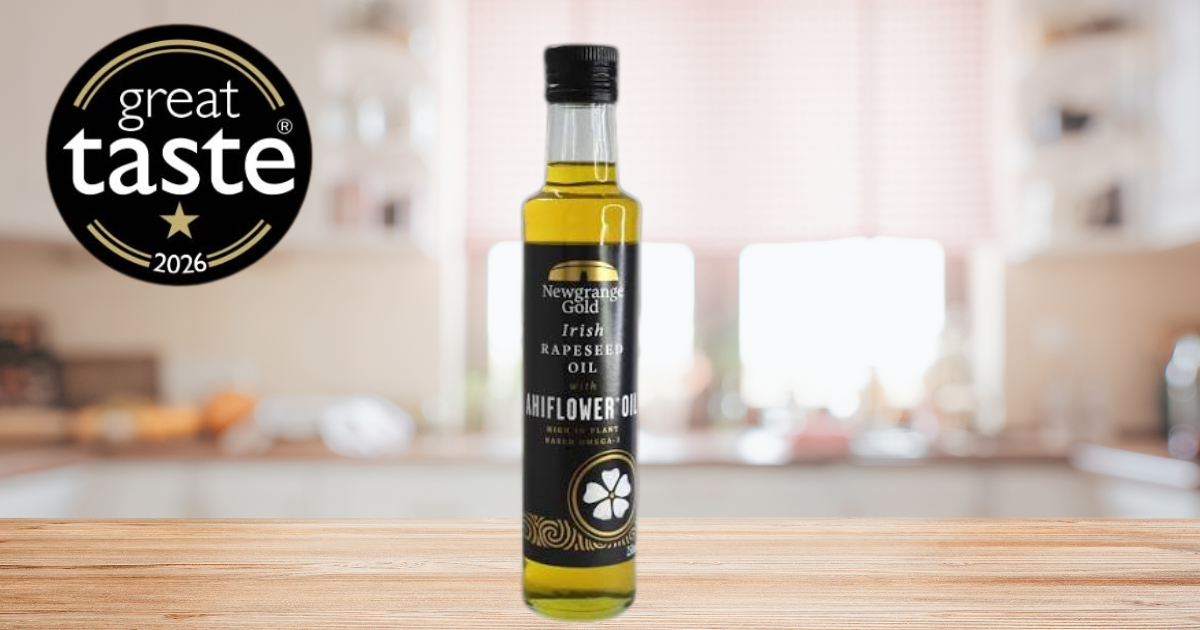
Recognized For Exceptional Flavor
Newgrange Gold has received a Great Taste Award star, with judges recognizing its delicious flavor, premium quality, and memorable eating experience.
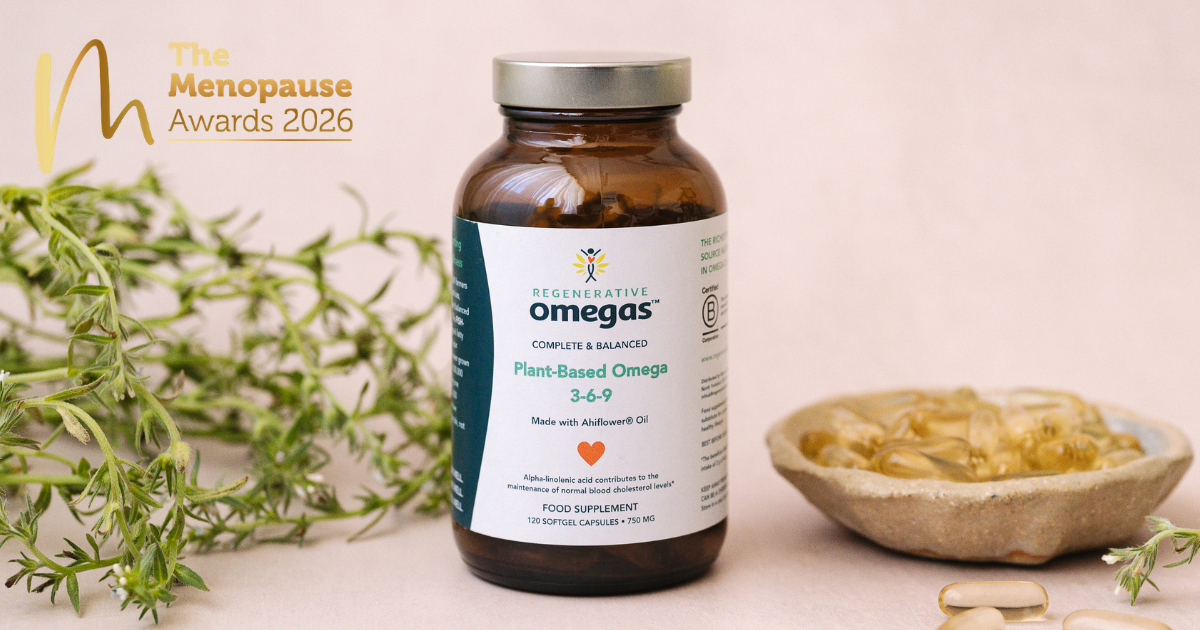
Highly Commended For Skin Health
Regenerative Omegas has been Highly Commended at the 2026 Menopause Awards for supporting skin hydration with nature's richest source of skin-loving stearidonic acid (SDA).
Making EPA and DHA Go Further
"Learn as if you'll live forever. Live each day to the fullest." It's a timeless reminder to keep an open mind, continue learning, and embrace new perspectives. It's also the perfect way to introduce an important shift in the omega-3 conversation.
Natures Crops is proud to be a member of GOED, the Global Organization for EPA and DHA, even though Ahiflower contains neither. Why? Because the science of omega-3 nutrition is evolving, and we believe it will continue to evolve as researchers gain a deeper understanding of how different omega-3s and their sources work together. That progress has the potential to benefit consumers, brands, and ingredient suppliers alike.
As well as Ahiflower meeting daily omega-3 needs on its own, providing a complete plant-based source of omega-3 nutrition through its unique combination of ALA and SDA, emerging science suggests that its unique precursor omega-3’ and its GLA content can enhance the benefits of EPA and DHA, creating new opportunities for product innovation, broader health benefits, enhanced functionality, and greater ingredient supply resilience. These approaches aren't competing ideas; they're complementary ones.
This reflects what dietitians, nutritionists, and wellness experts have advocated for years: a balanced, multisource approach to healthy fats, much like the dietary patterns found in the Mediterranean and Blue Zone diets.
That's why this conversation will take center stage at the Regenerate Symposium in Halifax, Canada, on September 17, where leading researchers and industry experts will explore the future of omega-3 nutrition.
At Natures Crops, our mission is to improve omega-3 nutrition without costing the earth. We're passionate about Ahiflower's unique profile of precursor omega fatty acids, while also recognizing the important role EPA and DHA play in human health. Rather than viewing these sources as competitors, we see them as complementary solutions that can help create a more sustainable, affordable, and resilient future for omega-3 nutrition.
With increasing attention on diversifying EPA and DHA sources and reformulating products, now is the ideal time to consider how precursor and preformed omega-3s can work together to enhance product performance, strengthen ingredient supply resilience, and expand consumer choice.

Subscribe to the
Ahiflower® Bulletin
