

How Research is Revising One of Nutrition's Longest-Held Omega-3 Beliefs

A landmark scientific review, drawing on more than 120 peer-reviewed studies, is challenging conventional thinking about omega nutrition. Rather than viewing EPA and DHA as the complete story, the review presents a broader, evidence-based summary highlighting the complementary roles of precursor fatty acids, including ALA, SDA, and GLA with preformed EPA and DHA.
Instead of asking which omega-3 is best, the review asks a more important question:
Are we ‘shortchanging’ omegas’ health benefits by not using their complete metabolic pathway?
The review explores how plant-derived omega sources can complement marine oils, including the role of precursor fatty acids in a more comprehensive approach to omega nutrition. The health benefits of EPA and DHA are well documented, but so too are the unique health benefits of ALA, SDA and GLA. For formulators and nutrition professionals, these findings raise important questions about how we think about omega intake recommendations today and could open new possibilities for product development, formulation strategies, and future clinical guidance.
Omega 3-6-9 combinations or ‘multi omegas’ are not a new concept – they are in fact the basis of the healthy fats widely consumed in the Mediterranean diet – plant and marine sources of precursor and preformed omegas. The findings suggest that a more comprehensive ‘broad spectrum’ approach to omega nutrition may better reflect the evolutionary and metabolic needs of human biology, and open new opportunities for product innovation and improved omega nutritional benefits.
Why nutritionists, dieticians and product developers are listening
As the threat of another major El Niño event forces the omega-3 industry to consider alternative sources of EPA and DHA, it also presents the opportunity to think about diversifying the types of fatty acids recommended for improved health and longevity. Capturing the consumer health benefits of combining precursor and preformed EPA and DHA, along with the inherent sustainability, risk management and sensory benefits of including plant-based ingredients, presents a genuine win-win opportunity for consumers and brands alike.
This broader understanding of the omega pathway is changing how health and wellness professionals think about omega-369 intake recommendations, formulation strategies, and product development. For nutrition professionals, it raises an important question about whether today's recommendations fully reflect the growing body of evidence surrounding omega metabolism.
The implications extend beyond one ingredient or one source. They point toward a more complete and inclusive way of thinking about omega nutrition.
It's Time to Expand the Omega-3 Conversation.
Ahiflower® Bulletin - July 2026

The Most Comprehensive SDA Review Yet
A systematic review of 120+ scientific papers underscores the promise of stearidonic acid (SDA) and recognizes Ahiflower® as the leading natural source driving SDA research and innovation.

A New Frontier in Brain Health
Emerging research highlights how Ahiflower’s unique omega 3-6-9 profile may help support cognitive health by influencing the microbiome-gut-brain axis and reducing neuroinflammation.

New Study Advances Neonatal Brain Health
A new study found that Vegaven, powered by Ahiflower, reduced brain inflammation and improved markers of brain development compared with a fish oil-based lipid emulsion.


Finalist For Natural Choice Awards
Ahiflower has been named a finalist in the 2026 Natural Choice Awards, recognizing its innovation and impact in advancing plant-based omega nutrition. We appreciate your vote.
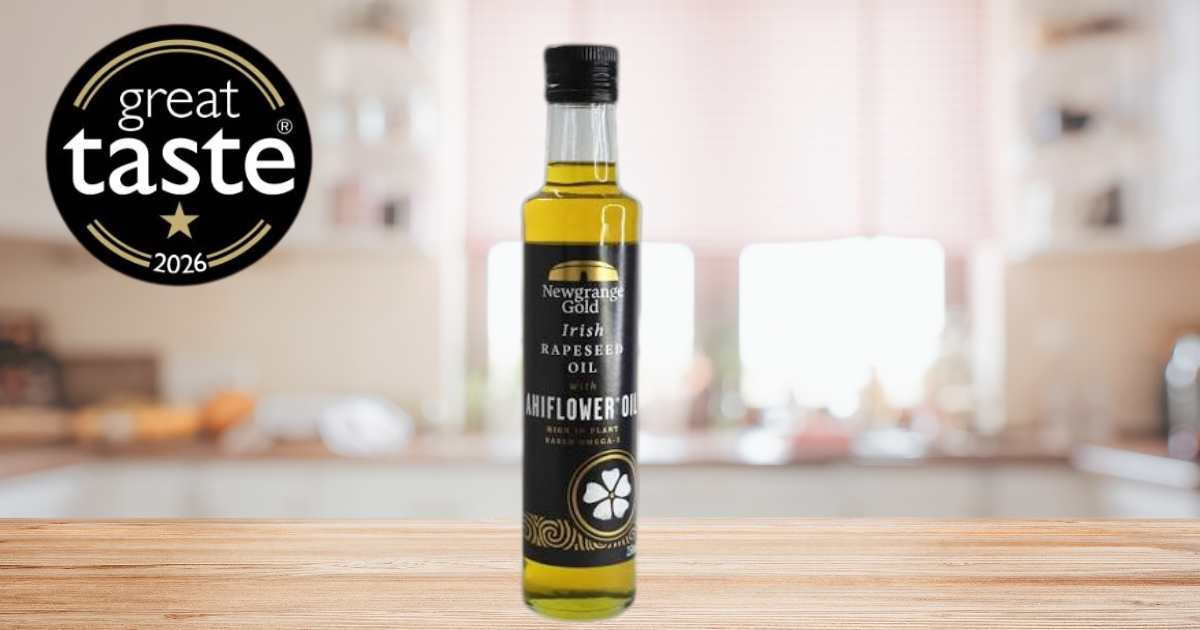
Recognized For Exceptional Flavor
Newgrange Gold has received a Great Taste Award star, with judges recognizing its delicious flavor, premium quality, and memorable eating experience.
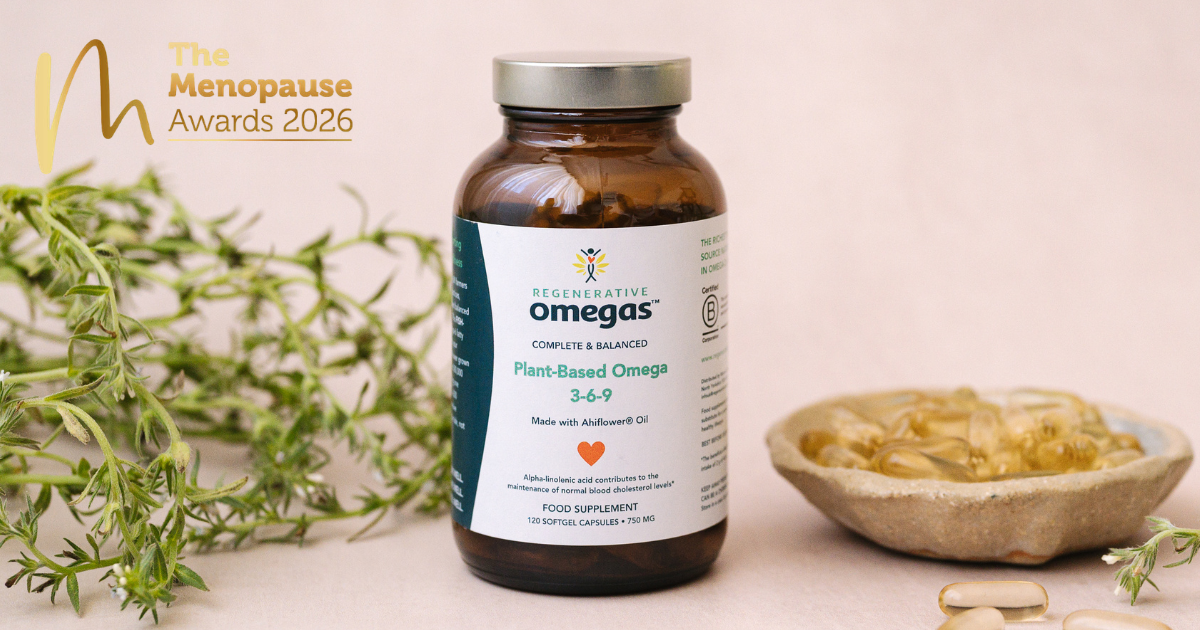
Highly Commended For Skin Health
Regenerative Omegas has been Highly Commended at the 2026 Menopause Awards for supporting skin hydration with nature's richest source of skin-loving stearidonic acid (SDA).
Making EPA and DHA Go Further
"Learn as if you'll live forever. Live each day to the fullest." It's a timeless reminder to keep an open mind, continue learning, and embrace new perspectives. It's also the perfect way to introduce an important shift in the omega-3 conversation.
Natures Crops is proud to be a member of GOED, the Global Organization for EPA and DHA, even though Ahiflower contains neither. Why? Because the science of omega-3 nutrition is evolving, and we believe it will continue to evolve as researchers gain a deeper understanding of how different omega-3s and their sources work together. That progress has the potential to benefit consumers, brands, and ingredient suppliers alike.
As well as Ahiflower meeting daily omega-3 needs on its own, providing a complete plant-based source of omega-3 nutrition through its unique combination of ALA and SDA, emerging science suggests that its unique precursor omega-3’ and its GLA content can enhance the benefits of EPA and DHA, creating new opportunities for product innovation, broader health benefits, enhanced functionality, and greater ingredient supply resilience. These approaches aren't competing ideas; they're complementary ones.
This reflects what dietitians, nutritionists, and wellness experts have advocated for years: a balanced, multisource approach to healthy fats, much like the dietary patterns found in the Mediterranean and Blue Zone diets.
That's why this conversation will take center stage at the Regenerate Symposium in Halifax, Canada, on September 17, where leading researchers and industry experts will explore the future of omega-3 nutrition.
At Natures Crops, our mission is to improve omega-3 nutrition without costing the earth. We're passionate about Ahiflower's unique profile of precursor omega fatty acids, while also recognizing the important role EPA and DHA play in human health. Rather than viewing these sources as competitors, we see them as complementary solutions that can help create a more sustainable, affordable, and resilient future for omega-3 nutrition.
With increasing attention on diversifying EPA and DHA sources and reformulating products, now is the ideal time to consider how precursor and preformed omega-3s can work together to enhance product performance, strengthen ingredient supply resilience, and expand consumer choice.

Subscribe to the
Ahiflower® Bulletin
